
Lightweight Tents Are Essential for Hiking and Camping
Lightweight Tents Are Essential for Hiking and Camping
When it comes to hiking and camping, every ounce matters. The weight of your gear can make the difference between an enjoyable adventure and an exhausting slog. Among the most critical pieces of equipment is your shelter—the tent that protects you from wind, rain, and bugs.
In recent years, ultralight tents have surged in popularity, especially among backpackers and thru-hikers looking to minimize pack weight without sacrificing comfort. One such example is the Mectr Ultra-Lightweight 2-Person Pop-Up Tent, which embodies the principles of smart weight reduction while maintaining durability and ease of use.
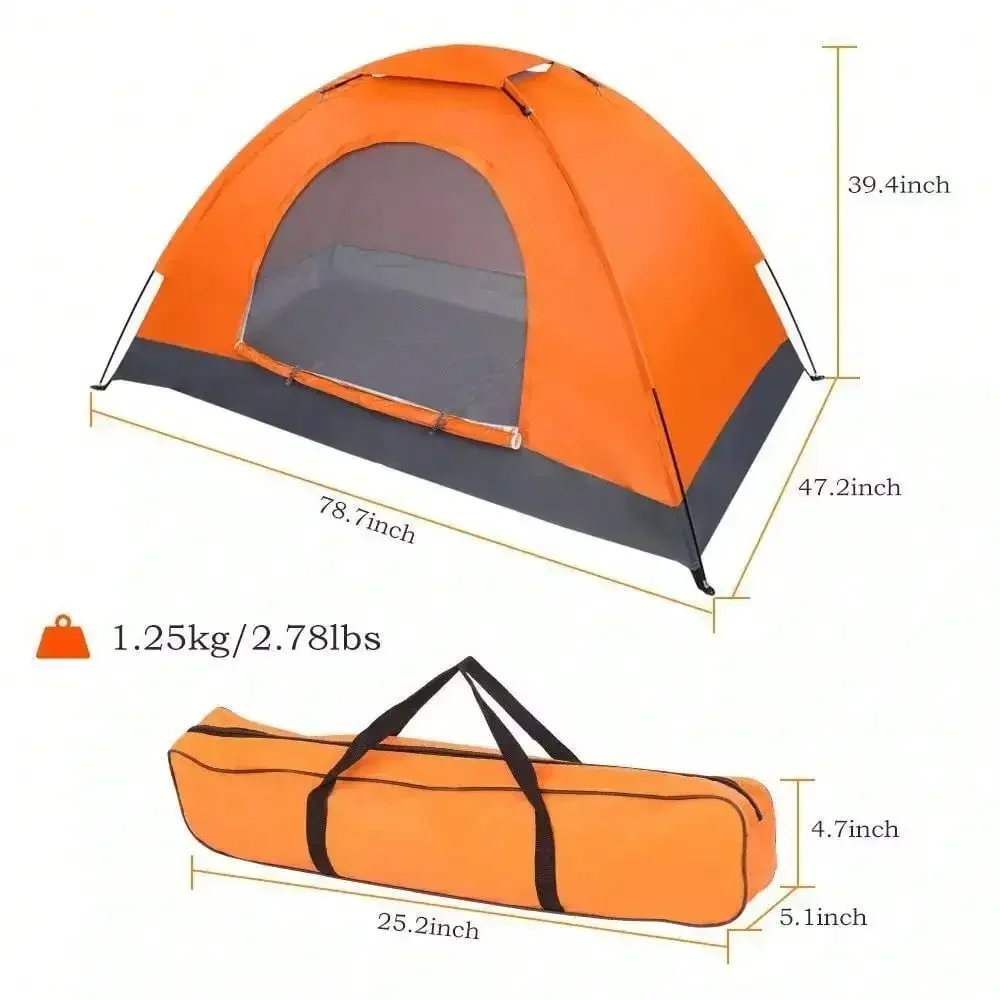
Let’s explore why lightweight tents matter, how they improve your outdoor experience, and what to look for when choosing one—without being a sales pitch.
The Importance of Lightweight Camping Gear
Reduced Physical Strain
Carrying a heavy backpack for miles leads to fatigue, muscle strain, and even injury. A traditional 4-6 lb tent can feel like an anchor, especially on long hikes.
- Lightweight Solution: Ultralight tents (under 3 lbs) significantly reduce pack weight, allowing you to hike farther with less effort.
- Example: A 2-person tent under 3 lbs (like the Mectr Pop-Up) cuts weight while still providing ample space.
Faster Setup and Mobility
When you’re tired after a long hike, the last thing you want is a complicated tent setup.
- Pop-Up vs. Traditional: Pop-up tents deploy in seconds, while traditional tents require pole assembly.
- On-the-Go Camping: Lightweight shelters are ideal for bikepacking, fastpacking, or spontaneous trips where speed matters.
Better Pack Space Efficiency
Bulky tents take up valuable backpack real estate, forcing compromises on other essentials like food, water, and clothing.
- Compact Designs: Many ultralight tents (including the Mectr) pack down small, freeing up space for other gear.
- Multi-Day Trips: The less room your tent occupies, the more supplies you can carry comfortably.
Improved Weather Adaptability
A common misconception is that lightweight tents are flimsy—but modern materials (like ripstop nylon and aluminum poles) balance durability with low weight.
- Wind & Rain Resistance: Quality ultralight tents include reinforced seams, waterproof coatings, and sturdy anchoring systems.
- Ventilation: Lightweight designs often feature better airflow, reducing condensation—a common issue in heavier tents.
What Makes a Tent Truly Lightweight?
Not all “lightweight” tents are created equal. Here’s what to look for:
Material Matters
- Silnylon & Ripstop Polyester – Light, durable, and water-resistant.
- Dyneema Composite Fabric (DCF) – Ultra-light but expensive (common in high-end backpacking tents).
- Mesh Panels – Reduce weight while improving airflow.
Simplified Setup
- Pop-Up Mechanisms – No assembly required (great for beginners).
- Trekking Pole Tents – Use hiking poles as support (saves weight but requires skill).
- Single-Wall vs. Double-Wall – Single-wall tents are lighter but may have more condensation.
Smart Design Choices
- Minimalist Pole Structures – Fewer poles = less weight.
- Compact Stuff Sack – A tent that packs small is easier to carry.
- Multi-Functional Features – Some tents double as tarps or bivvies for ultralight trips.
While this isn’t a product review, the Mectr Ultra-Lightweight 2-Person Pop-Up Tent serves as a good case study for why lightweight tents are trending.
Is a Lightweight Tent Right for You?
If you value mobility, efficiency, and comfort, a lightweight tent is a game-changer. Whether you’re a hardcore thru-hiker or a weekend camper, shedding unnecessary weight makes the outdoors more enjoyable.
The Mectr Ultra-Lightweight 2-Person Pop-Up Tent is just one example of how smart design meets demand—offering an easy-to-use, packable shelter without excessive bulk.
By choosing the right tent, you’ll spend less time struggling with gear and more time enjoying nature.